A well-kept Mitsubishi doesn’t just rely on quick checkups now and then. Staying ahead with part swaps keeps things working right - handling, stopping power, even how much gas it drinks. Heat builds up. Parts rub together. Miles add up. All of it takes a toll. Spotting what tends to fail helps drivers avoid surprises later down the road. Money stays put when timing matters. Some pieces simply won’t last forever, so swapping them early makes sense. Think belts humming under tension or filters choked with grime. Each plays a role in keeping the engine calm and steady. Ignoring small signs leads to bigger headaches. These usual suspects come up again and again across models. Knowing them isn’t magic - it’s practical. Longevity hides in these details, not grand gestures.
1. Engine Oil Filter
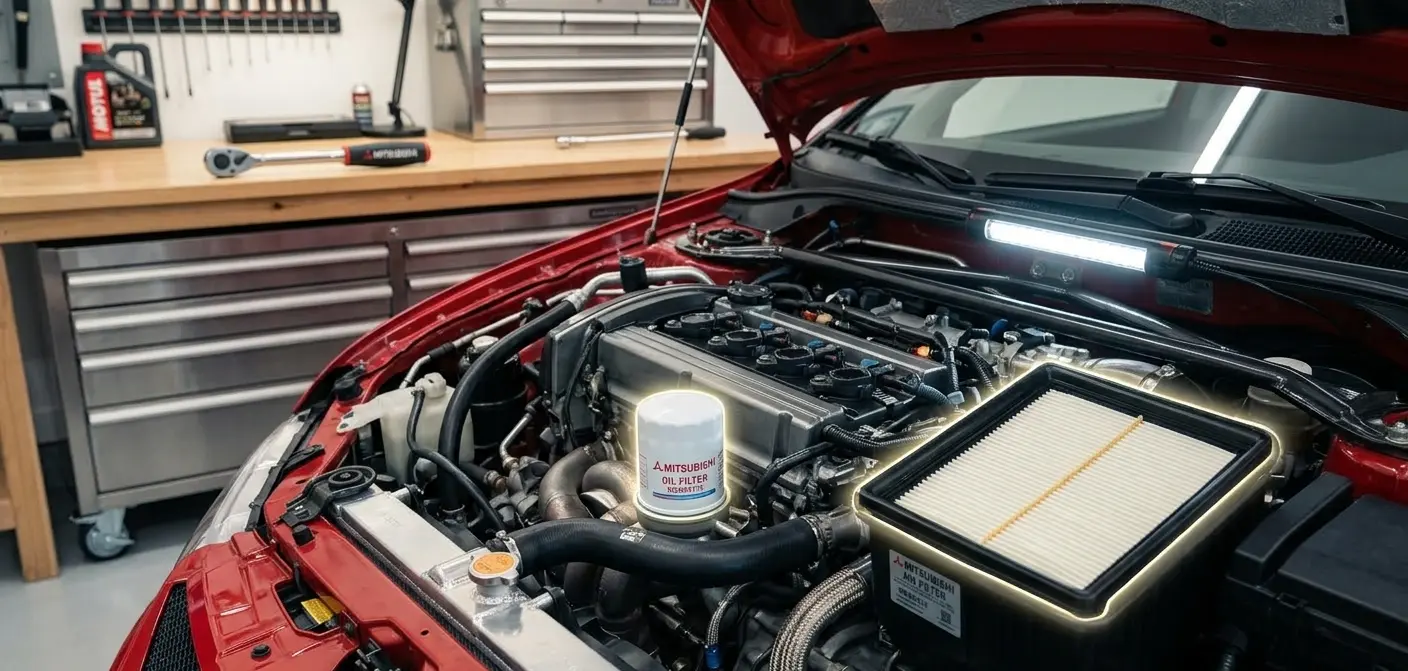
The tiny screen inside your car's oil system traps grime, flecks of metal, and gunk floating in the fluid. As miles pile up, that trap fills, slowing down clean flow. Fresh filters go in each time you swap out old oil - this keeps moving parts coated, safe from wear. You will find it listed on nearly every Mitsubishi maintenance order.
2. Air Filter
A dirty filter slows things down when dust builds up out here. Clean air needs space to move through, otherwise burning fuel gets messy. Every so often swapping it out brings back that steady rhythm under the hood.
3. Brake Pads
Moving slows when brake pads thin out over time because gripping relies on rub. If left too long, stopping power fades while rotors risk harm. Checking now then swapping keeps rides steady - this fix pops up a lot for Mitsubishi owners who care.
4. Spark Plugs
Tiny explosions inside each cylinder start when spark plugs fire up the mix of gas and air. As miles pile on, gunk builds up or parts thin down, slowing how fast sparks happen. Fresh spark plugs dropped in on schedule help engines run cleaner, using less fuel along the way.
5. Fuel Filter
Dirt stays out of the engine because the fuel filter blocks it. If gunk builds up too much inside, less fuel gets through which slows down how well the engine runs. Swapping it out every now and then keeps fuel moving right and guards the whole fuel setup.
6. Timing Belt
When the timing belt fails, everything inside the engine falls out of sync. Rotation between crankshaft and camshaft depends on this part working right. A broken one often leads to expensive internal harm. Following the maker’s schedule helps avoid sudden breakdowns. Keeping that piece fresh means longer engine life.
7. Battery
Over time, car batteries just do not keep power like they used to. Cold or hot weather takes a toll, so does driving only short distances now and then. When the battery begins to fade, swapping it out keeps your engine turning over without issue. Electrical systems run steady once the old unit is swapped for a fresh one.
8. Brake Rotors
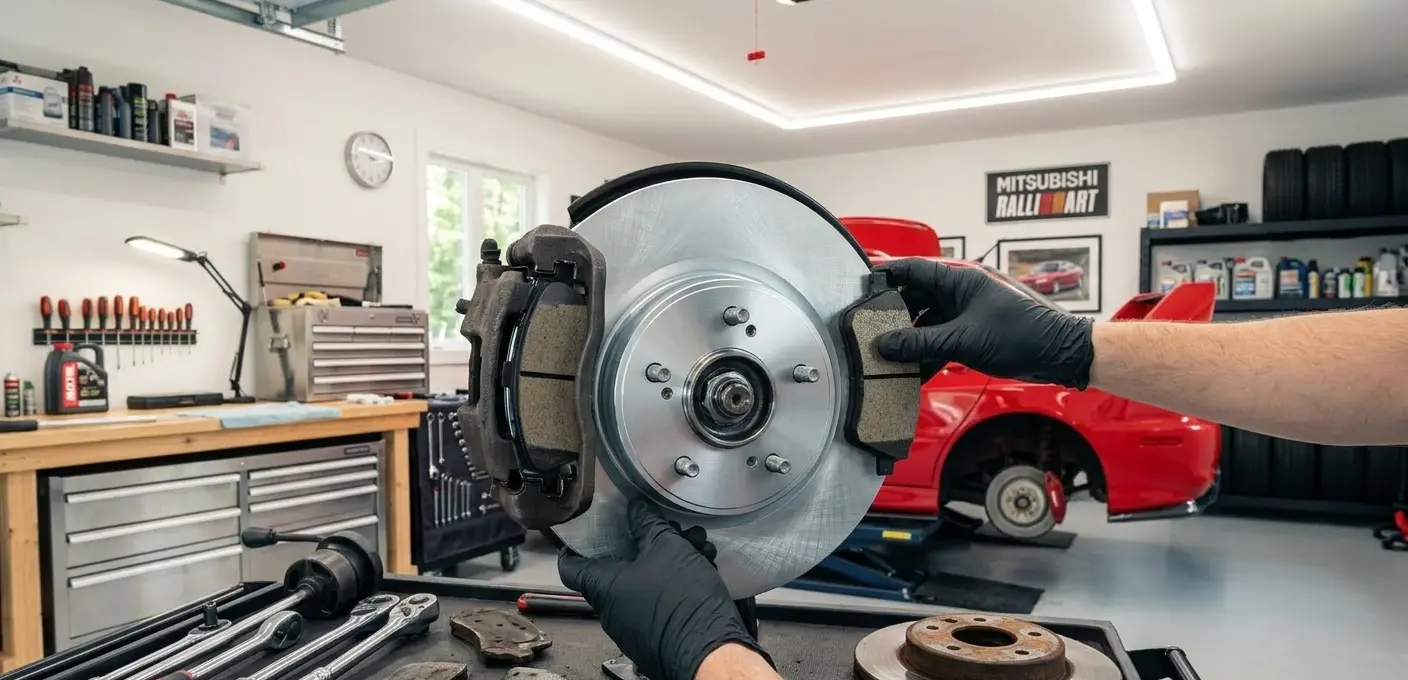
Slowing a car depends on how well the brake rotors pair with the pads. Over time, constant rubbing wears them out - sometimes they bend slightly. If surfaces get wobbly or drop below safe thickness, fresh ones take their place for reliable stops.
9. Suspension Components
Bumpy roads feel less jarring when shocks and struts work well. As miles pile up, their grip on stability fades, making turns sloppier than before. Tires begin to scrub unevenly once support weakens. Checking them now then keeps rides steady, safer too.
10. Drive Belts
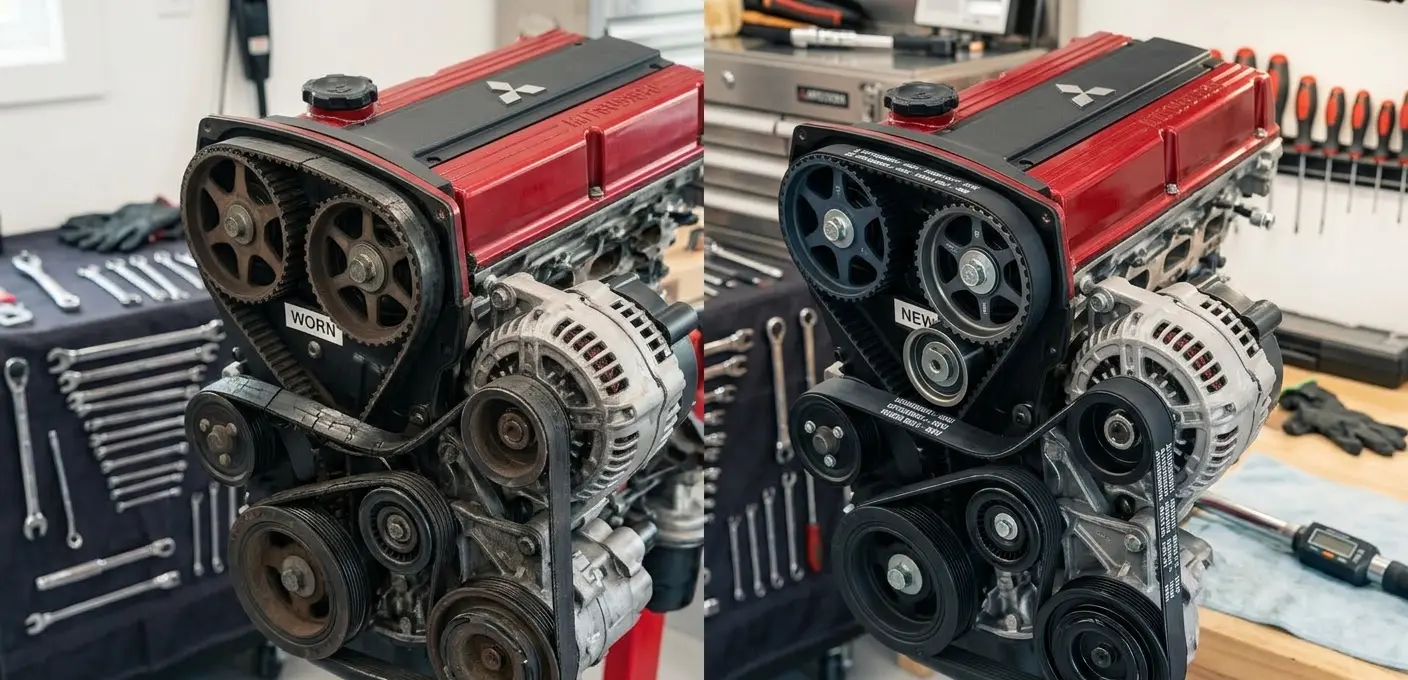
One thing most forget is how much relies on those spinning ribbons under the hood. Not just electricity, but cool air and steering ease come from their motion. Over time, sunbaked heat and constant flexing eat away at the material. A frayed edge or loose fit means slipping performance when you least expect it. Catch them before they snap, because silence down there isn’t always good news. Every rotation counts until fatigue sets in, then everything slows. Keeping a fresh belt means trusting each accessory will do its job.
Conclusion
Every now and then, parts inside a Mitsubishi need swapping out just like clockwork. Filters, brake pads, spark plugs - these things fade with time, so fresh ones go in their place when needed. Sticking to a set pattern means the car runs longer without surprise breakdowns later. When people know what belongs on the checklist, fixing things gets smoother for everyone involved. Safety stays up, performance holds steady, all because small jobs get done before they turn into big headaches.