Picking pieces for your Mitsubishi isn’t always straightforward - some parts roll off the same line as the original, others are made by separate companies aiming to fit. One path sticks close to factory specs, another offers variety but varies in consistency. A different maker might save money up front, yet long-term behavior on the road can differ more than expected. Built-to-match doesn’t mean built-the-same, even if it clicks into place without issue. Performance shifts quietly over time when materials and tolerances aren’t identical. Some drivers notice changes only after months - others feel them during the first turn down a back-road. Safety stays tied closely to how well any part handles stress, heat, and constant motion. Reliability often leans toward what was tested alongside the engine design itself. This look digs into who makes what, where each type excels, and subtle signs that hint at better fits for your specific model year.
OEM and Aftermarket Mitsubishi Parts Explained
From day one, these pieces come straight from Mitsubishi - or folks they trust - to match what your car was born with. Each part sticks to the original blueprints, so everything lines up just right when it goes in. Built like the factory intended, they work without fuss, last as expected, nothing more, nothing less.
Some parts come from companies not linked to the car maker. Though their shape might look like the original, what they’re made of or how big they are can differ. Because materials and sizing aren’t always consistent, results behind the wheel might change over time. Even if saving money matters, small gaps in build could show up later down the road.
How OEM and Aftermarket Parts Differ Technically
1. Material Quality and Durability
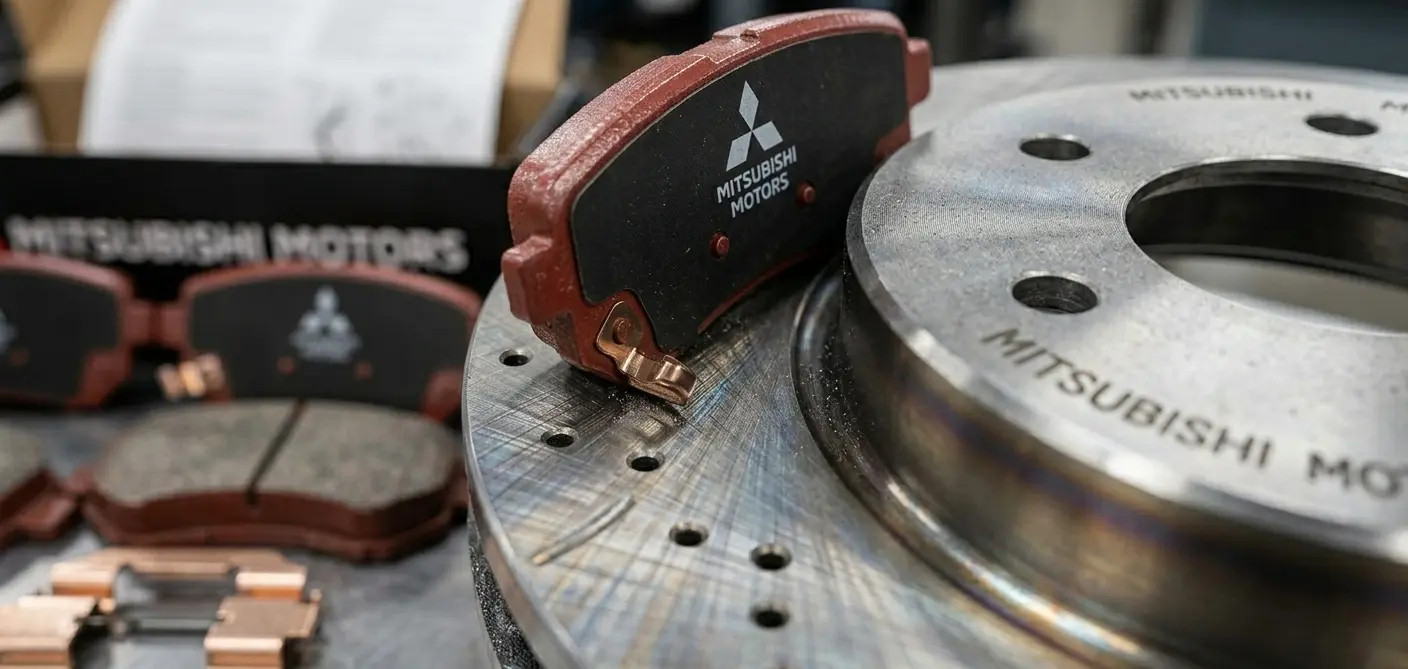 Starting off, OEM components rely on identical top-tier metals, plastics, and composite materials found in your car's first build. Take brake pads and rotors made by the manufacturer - these handle extreme heat while delivering reliable performance every time you slow down.
Cheaper materials sometimes go into aftermarket pieces, so they might not hold up as well against rust or everyday wear. Even though a few of these parts perform just like factory ones - or even better - not every option out there matches that level of trust. What it comes down to is checking what something’s made of before deciding. That detail often shapes how long it lasts.
2. Precision and Fit
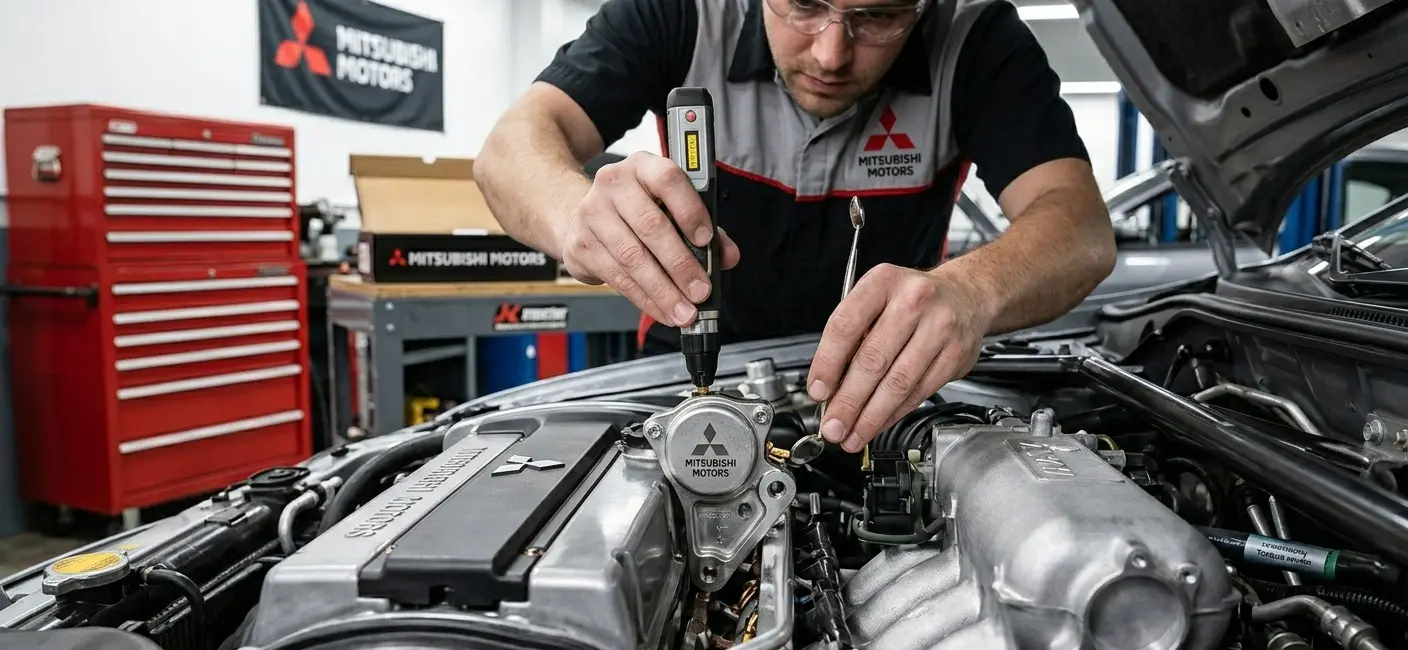 Every part made just for your Mitsubishi slips into place without effort. Because it lines up exactly, everything works smoothly. Vibration stays low when things run. The match between piece and machine makes all the difference.
A fit that's just a bit off might mean tinkering before things line up right. When pieces do not sit flush, small troubles tend to pop up - like shakes under the hood or sounds you have never heard before. Wear on nearby bits often follows if nothing gets corrected early.
3. Performance Consistency
From start to finish, each OEM part gets pushed through strict tests so it runs steady no matter what happens. Things like how much gas it uses, how fast it stops, when the motor delivers power - all checked closely.
A different brand part could work about the same - yet how it's made sometimes changes how well it runs. Take a non-OEM air filter; its flow of air may dip just a bit, which over weeks might nudge engine behavior off balance.
4. Warranty and Support
OEM pieces often mean your car’s warranty stays valid - these match Mitsubishi’s rules for safety and performance. When repairs tie back to some third-party components, protection might disappear overnight. Always look up the fine print on guarantees prior to swapping anything under the hood.
How OEM and Aftermarket Parts Affect Performance
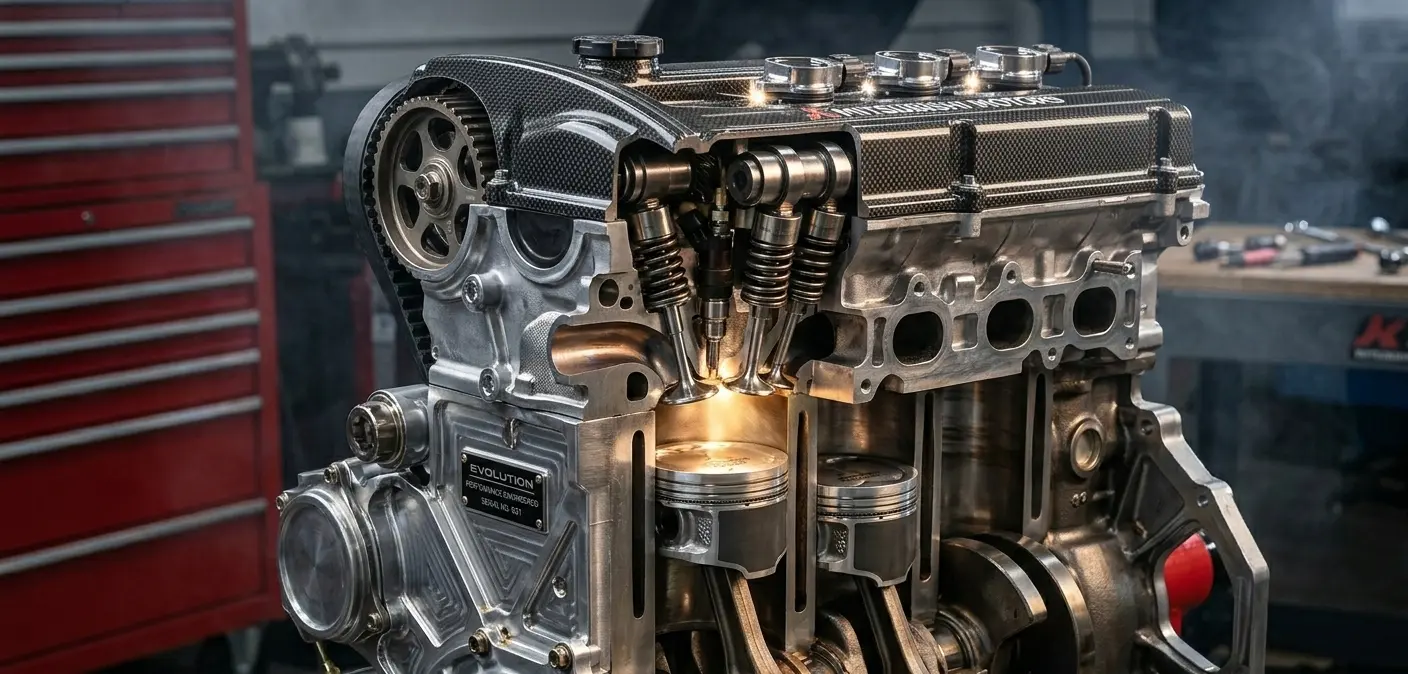 Choosing OEM instead of aftermarket pieces might change how your car drives. Some folks notice differences right away - others take time to spot them. Parts built by the original maker often fit tighter than those from third-party brands. Performance shifts depend not just on type but also installation quality. What matters most shows up during long-term use, especially under stress. Your driving habits play a role too, maybe more than you think.
Picture this - factory-made pistons, valves, and gaskets fit just right inside your engine. When combustion lines up perfectly, everything runs smoother. Swap in cheaper copies from third-party makers, though, and performance dips a little. Fuel doesn’t burn as clean. Power slips without you even noticing at first. Efficiency fades over time, like a slow leak.
Stopping power depends on parts like pads, rotors, wheels clamps - all work best when built to original standards. Non-original options can do the job, though picking them means checking details closely against factory models.
When it comes to how a car rides and turns, factory-made suspension pieces keep things smooth and predictable. Instead of sticking with original parts, going for certain non-OEM options might shift the way the vehicle responds on roads. That change could make driving feel less comfortable or more difficult to manage.
Fuses hum quietly beneath dashboards of today's Mitsubishi models. Because factory-made pieces match computer brains inside the car, they click into place without glitches - yet third-party bits sometimes trip alarms or spark odd errors instead.
Cost Considerations
Starting off cheaper, aftermarket pieces catch the eye of those watching their wallet. Still, because they might wear out faster, run less smoothly, or sit unevenly, people could end up spending more over time fixing or swapping them.
Fresh from the maker, these pieces cost a bit more at first yet hold steady over time, cutting down surprise fixes while keeping your car’s worth intact later on.
What to Think About When Picking Parts
When deciding between OEM and aftermarket parts for your Mitsubishi, consider:
- Might make sense to pick solid aftermarket pieces when dealing with aging cars or bits that aren’t vital. On the other hand, fresh models or speed-focused machines usually run better with factory-made parts.
- Upfront deals might pinch less now, yet later expenses can pile up. Choosing pricier original parts at first could mean fewer headaches down the road. What seems cheaper today may cost extra tomorrow.
- Fresh out of the box, OEM pieces keep your protection active. Swapping in third-party versions might limit what repairs are covered down the line.
- Getting OEM pieces can mean waiting, especially if you are far from a supplier. On the other hand, aftermarket options usually pop up faster at nearby shops.
- When it comes to parts such as brakes, suspension, or engine systems, sticking with original equipment standards often makes sense. Because these pieces play a key role in how the vehicle handles stress or danger, their build matters deeply. Since failure isn’t an option under heavy load, precision-built units tend to hold up better. While cheaper versions exist, they sometimes lack the testing behind factory-level durability.
- A solid track record often shows up in how buyers talk about a brand - look closely at what real users say before picking non-OEM components. Past experiences shared online tend to reveal more than product specs ever could, especially when it comes to durability.
Conclusion
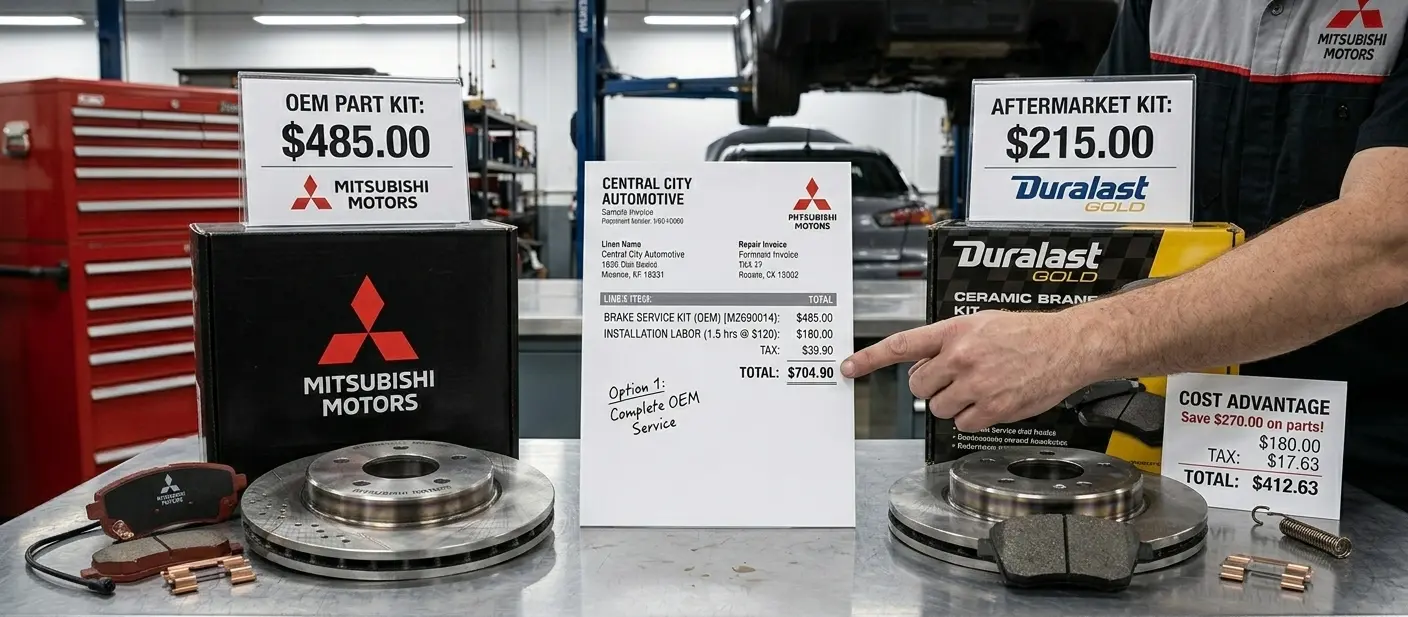 So here's how it breaks down - picking Mitsubishi parts means weighing price against how well they work, last, and what protection you get if something goes wrong. A factory-made piece fits just right, holds up over time, leaves little to chance. Choosing another route might make sense now and then, particularly on models that have been around awhile or for bits that do not carry the whole load.
When you know how each choice works under the hood, your Mitsubishi stays steady, runs well, because details matter. Talking to trained technicians who specialize in these vehicles helps clarify what suits your car most since real results come from precise choices.