Driving a Mitsubishi means more than turning the key. What’s under the hood – components, routines, behavior on roads – holds weight. Misunderstandings about upkeep travel quietly among owners. These myths? They open doors to unnecessary spending. Often, they damage the vehicle rather than protect it.
Hidden beneath the chatter around Mitsubishi service, truth holds its place without shouting. Stories spread fast, yet accuracy lingers just below, calm and unchanged. Everyone knows a vehicle performs stronger with care - that part needs no debate. Rather than follow guesses passed from person to person, pay attention to actions that truly support performance. What keeps a Mitsubishi running lies not in myth but in steady, honest upkeep. Footsteps carry what words cannot say. Quiet moments add up when no one is watching.
Common Misunderstandings About Mitsubishi Car Care
Fair warning - most chatter about Mitsubishi servicing misses the mark. Here’s what actually lines up:
Myth 1: "I do not need to take care of my Mitsubishi vehicle if it is running fine."
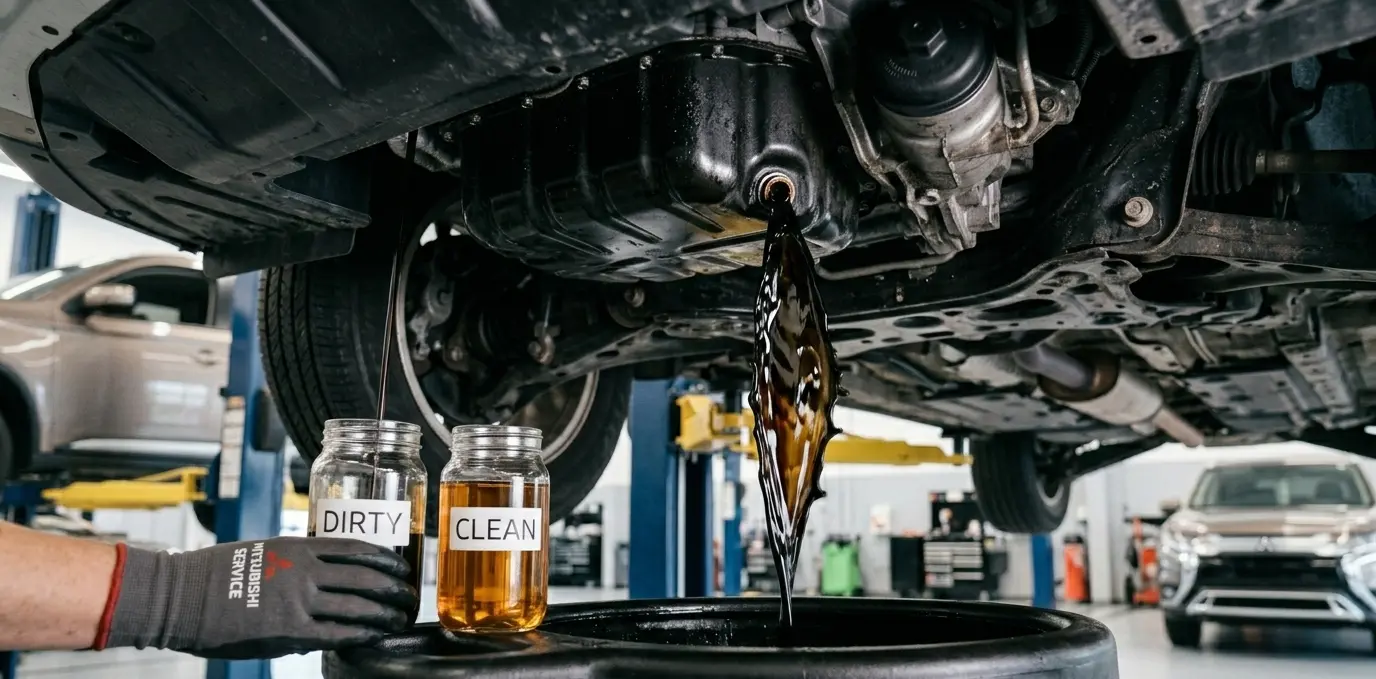
Truth is, caring for your Mitsubishi pays off. As months go by, things such as oil, brake fluid, or filters lose their quality. One overlooked piece could mean problems down the road.
- Faulty lubricants might weaken engine output.
- Old fluid conditions often lead to reduced power delivery.
- When liquids degrade, efficiency dips. Performance slips without fresh components. Worn substances fail to support proper function. Machines respond poorly to outdated mixtures.
- Fluid in poor condition can delay brake response.
- Fuel burns less efficiently when things go sideways.
- Prolonged delays often spark deeper troubles.
Truth is, a smooth ride today doesn’t mean trouble won’t show up tomorrow. Because skipping tune-ups can turn tiny flaws into expensive fixes down the road. Fluid levels, brake condition, air filters - these things matter more than you think. When they’re looked after, your Mitsubishi runs cleaner, lasts longer, goes farther. Most drivers ignore them until something grinds or sputters. Yet staying ahead beats scrambling later when cold mornings demand too much.
Myth 2: "Parts that are not made by Mitsubishi are just as good as Mitsubishi parts."
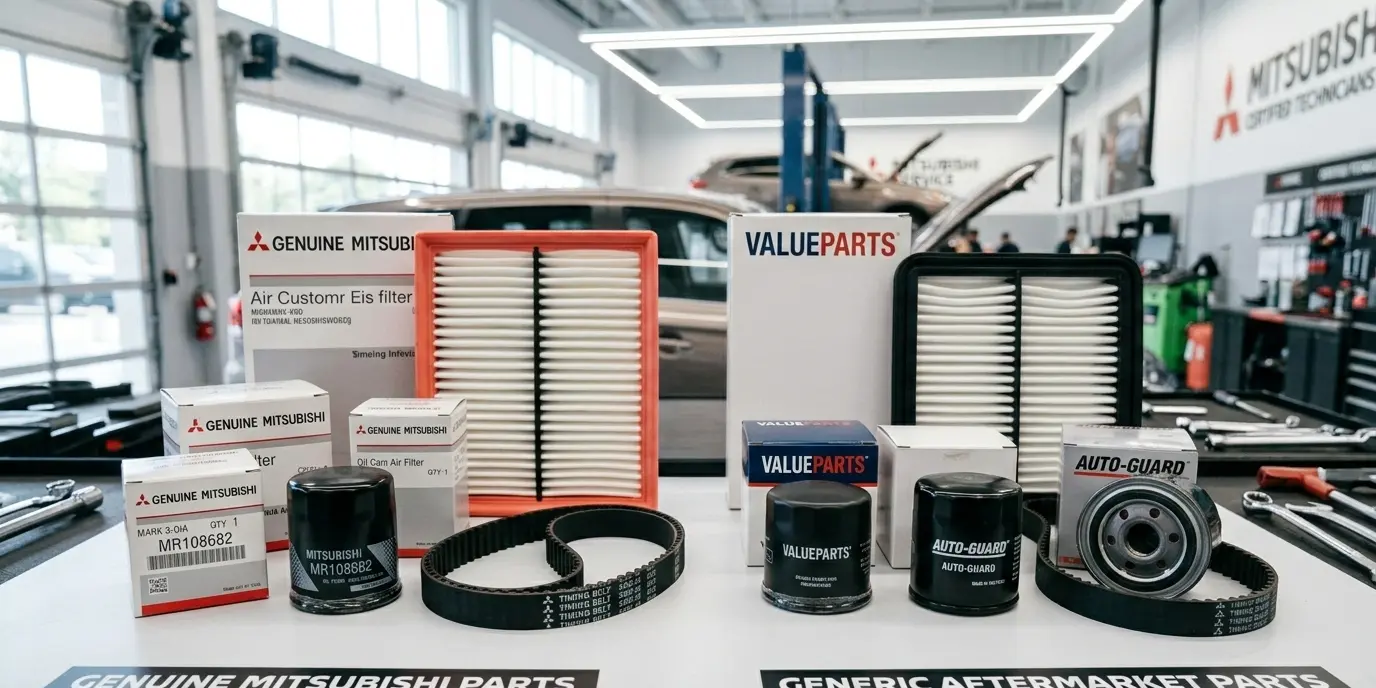 Funny how things shift with vehicle upkeep. Mitsubishi designs every part to fit only its specific lineup. Cheaper labels save money at first yet often fail sooner.
- Over time, these replacements can lead to shaky movement or strange sounds.
- Sometimes the ride feels off, other times it’s more about unexpected rumbles underfoot.
- Faults might vanish from warranty coverage if they’re used.
- The original manufacturer's touch makes braking more precise.
- Fine-tuned components tend to endure far beyond loose fits. Precision in alignment stretches their life noticeably.
- Fitted parts slide easier during transmission changes.
Using real parts means things work properly. What matters is how well each piece fits together. It's true - only real Mitsubishi components match every specification needed for proper function and long-term reliability. These pieces support safety standards while keeping your coverage intact. Other options might look similar but often wear out faster. Performance takes a hit when substitutes slip in. Built right the first time means fewer surprises later on.
Myth 3: "I do not need to take care of my Mitsubishi vehicle if it has a lot of miles on it."
Even if you barely drive it, a Mitsubishi needs checking. Parts lose strength after years, especially the motor, gearbox, or ride system. When looked after properly, the vehicle lasts way past its expected life.
- A well-kept car lasts longer - that is just reality.
- Skipping checkups invites early damage to vital parts.
- Engine trouble often follows neglect.
- Brakes weaken without attention.
- Suspension systems fail faster when ignored.
Care spreads out repairs over time instead of piling them up. Small efforts today block big problems tomorrow.
Myth 4: "I only need to change my oil every 10,000 km."
Frequent oil changes depend less on routine, more on how you drive and what weather hits your area.
- Suddenly stuck in traffic, your engine works harder.
- Hauling big loads? That adds stress too.
- High heat builds up fast, wearing things down quicker.
Here is a truth most overlook. Driving where it burns hot means oil breaks down faster. Stop-and-go streets add stress, so fresh oil helps then too. Hauling big weight? That pushes the motor harder. Each of these wears oil out quicker than usual. Smooth runs need less upkeep. Tough trips demand attention sooner.
Myth 5: "I can ignore the warning lights on my dashboard."
 A light pops up on your dashboard, and most people glance without seeing. Not every flash means trouble, yet each has something to say. Some flicker when ignored too long. A warning appears not because it enjoys attention but because something shifted under the hood.
- One appearance could mean a hidden problem lurks within your Mitsubishi.
- Paying close watch at the start stops small stumbles becoming big troubles down the road.
- Turn away, then small things risk spiraling out of control.
Warning lights on your dashboard mean something needs attention - maybe small, maybe serious. Skip checking those signs might turn a tiny problem into big trouble later.
Myth 6: "My brake pads will last forever if I drive carefully."
Tomorrow could bring trouble, even after a flawless halt right now. How often you slow down shapes how fast pads fade. Inspections every so often catch what feels fine but isn’t. Driving style plays a quiet role, yet holds big influence.
Few people notice it, yet brake pads lose material even when handled gently. Because of this gradual breakdown, checking them often is part of staying safe on the road. Skipping these checks might lead to longer stop distances when you need quick braking.
Mitsubishi Maintenance Tips
A fresh start comes from steady care of your Mitsubishi. Better performance shows up when you look after it properly - longevity tags along too.
- Faults grow when ignored – a small neglect now means heavier trouble later.
- Finding ways forward helps things run without hiccups, avoiding last-minute shocks down the road.
- Later headaches shrink when you act a bit today. Trouble fades if small steps come first.
Promptly following schedule keeps your vehicle aligned with Mitsubishi’s maintenance roadmap. The manufacturer lays out clear milestones - each step marked by specific intervals:
- Oil swaps happen
- Fresh filters slide into place when the old ones wear thin
- Tires shift positions
- Brake inspections roll around
Step by step, it moves like a pattern built only for how your version works.
Monthly Quick Check
Every now and then, take a few minutes to glance over your Mitsubishi - simple checks help avoid surprises. A monthly peek under the hood keeps small issues from growing:
- Begin at the tires
- Shift attention toward the braking system
- Check lights
- Check fluid levels
- Notice a glitch? Fix it now, or later gets messy.
Staying on top cuts the drama ahead.
Use Real Mitsubishi Parts
Every time you need a new piece, picking Mitsubishi keeps things running clean. These parts go together without fuss since they’re made for your vehicle. When you stay with the original brand, alignment stays spot on. Smooth operation follows because the design matches exactly.
Watch For Signals
Pay attention to what your Mitsubishi is telling you.
- Knock or grind noise catching your ear? Pay attention.
- Steam rising from beneath? Stop right there.
- Flickering dashboard lights might mean nothing - or everything. Pay attention anyway.
- Vibration when speeding up? Might mean an issue.
- Foul odors drifting through rooms? Might signal problems tucked out of sight.
A tiny hint holds weight equal to a glaring signal. Letting time pass might tighten the knot down the road.
Keep Records
Each small step taken to care for your Mitsubishi counts.
- If issues show up down the line, written records can back up the work completed.
- Got a buyer lined up? Proof of care speaks louder than words. Maintenance logs tell the real story - was it coddled or neglected?
A full history flips hesitation into trust. Long after remembering fades, pieces remain clear.
Weather Prep
- A storm rolls in? Wait just a beat before starting your Mitsubishi.
- Flooded roads test your car just like overheating does during heavy rain. Coolant keeps things steady when skies open up.
- A sudden chill can catch you off guard if the battery is low.
- Frost protection demands attention right from the start.
Even when skies pour, these parts push forward - through storms or stillness alike.
A Simple Way to Care for Your Mitsubishi
A fresh day begins when you follow a consistent schedule, especially if your Mitsubishi's health is on your mind.
- Get ahead by tackling chores early. Before problems knock, sort what matters. Finish work while quiet still holds. Move now so later stays smooth. Stay ready before chaos arrives
- Check fluids every few weeks
- Watch how parts wear over time (tires, filters)
- Faulty timing belts break suddenly when ignored too long
- Getting brakes checked early stops problems before they start
- Notice coolant dipping bit by bit? Time to swap it out sooner
Maintenance Intervals
 Once every 5,000 – 10,000 km:
- Change your oil and oil filter
- Rotate your tires
- Check your brakes
- Check your fluids
Every 20,000 km:
- Replace your air filter
- Check your battery
- Replace your cabin filter
At around 40,000 to 50,000 kilometers:
- New parts work better when old ones are swapped out
- Check your transmission fluid
- Inspect your belt and hoses
Every year:
- Start by looking at the brakes. Next up, give the engine a once-over. The transmission needs attention after that
- Make sure everything is working well
Mitsubishi Car Repair Handbook
If something feels off with your Mitsubishi, fix it quickly.
- A trip to a Mitsubishi service center means trained staff on site. Tools match what the factory uses exactly. Expertise meets precision without shortcuts.
- Failing to act today means bigger problems tomorrow.
- A single note for every fix you make - this matters when handing it off later. One detail at a time builds trust if something comes up down the road.
- Choose liquids crafted by Mitsubishi if you want them to last. Their formulas tend to hold up well over time.
- Fold a spare tire into the trunk along with basics like a wrench. Slide these items under the floor mat where they stay out of sight but close when needed.
- When things go wrong, it helps to know where repairs happen close by.
Common Mistakes Mitsubishi Owners Make
- Engine trouble often begins when oil changes get missed. Over time, dirty oil thickens inside the system. This gunk slows down moving parts. Performance drops without clean lubrication. Parts grind instead of glide. Little by little, efficiency fades. Eventually, strain builds where there was none.
- Bang goes your safety when brake alerts get ignored - expect quick problems, rotors ruined fast.
- Fuel consumption climbs when tire care slips. Safety takes a hit without proper maintenance. Poor pressure management invites trouble down the road. Driving gets less efficient, more unpredictable. Small oversights lead to bigger problems later.
- Using non-Mitsubishi parts → faster wear, possible damage.
- Leave the battery out → nothing happens when you turn the key.
Keeping a Mitsubishi Running for Years
To make your Mitsubishi last 10+ years:
- Stick to Mitsubishi’s maintenance plan
- Fix items early (timing belts, water pumps, brakes)
- Monitor fluid levels
- Keep your car clean → prevents rust
- Avoid pushing the car too hard
Conclusion
 A well-maintained Mitsubishi:
- Runs safer
- Lasts longer
- Works better
Follow these steps:
- Save money on repairs
- Avoid problems
- Keep fuel efficiency
- Maintain warranty and resale value
Small moves lead to a well-running car. Stop by whenever issues pop up, follow the suggested maintenance schedule while trusting certified Mitsubishi experts with repairs. Easier ownership often shows up when attention does. Care first tends to change everything.