When things start feeling off with your Mitsubishi, it is usually a clue something needs attention. Not every issue shows up right away, yet small shifts in how the car drives might point to deeper concerns. A squeak here, a shudder there – these hints add up, especially after years of use. Spotting them early means fewer surprises later on.
This piece walks through what to watch for when parts begin wearing out. Recognizing these moments keeps your drive steady, predictable, even safer. It is less about fixing everything at once, more about staying ahead of trouble.
Regular Part Inspection Matters
Every now and then, check what's under the hood – safety and smooth driving depend on it. Brakes, suspension, engine bits – they all grind down over time, heated up, pushed hard. Spotting trouble signs before they grow means fixing small things before big ones break.
1. Unusual Noises and Vibrations
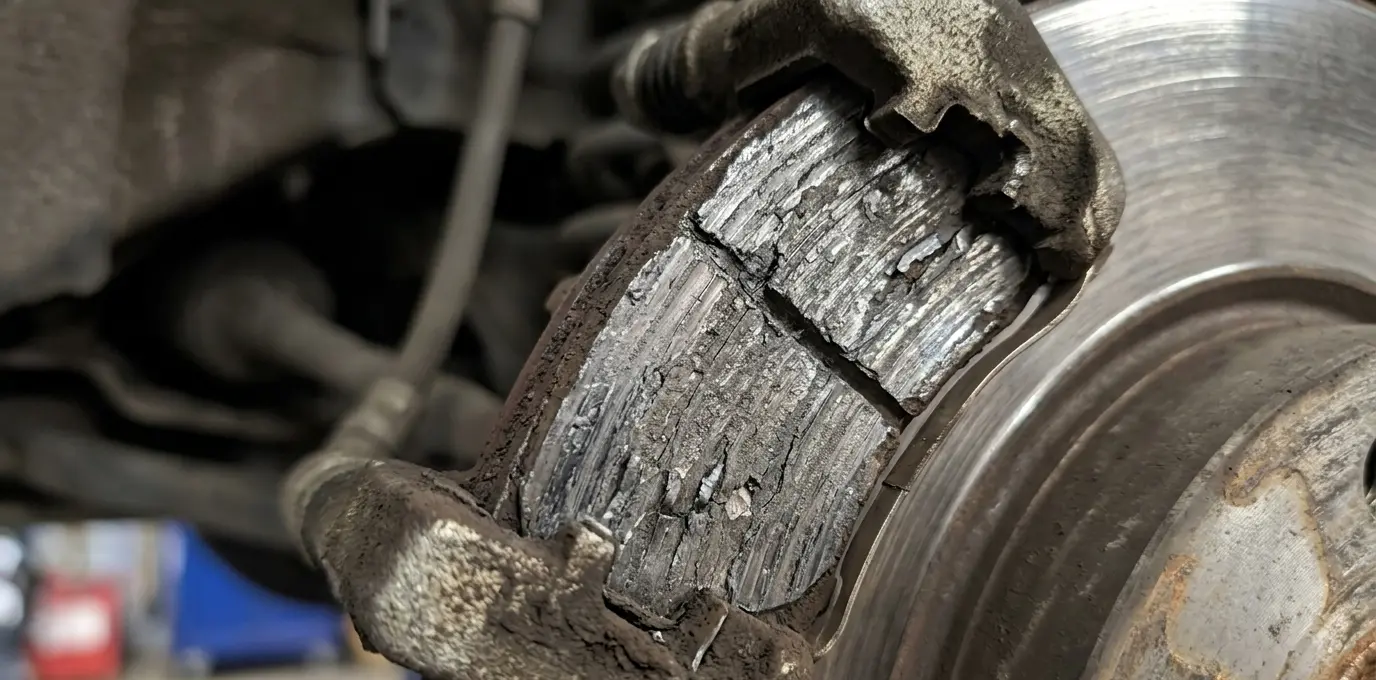
Hear something odd coming from your Mitsubishi? That squeak, rattle, or grind might mean parts are wearing thin – brake pads, maybe, or wheel bearings, even bits in the suspension. When those sounds show up, trouble could be building beneath the surface. Left alone, small concerns grow sharper, costlier, harder to fix.
2. Reduced Performance or Handling Problems
Sluggish pickup or uneven stopping? That tug toward one direction when you brake might mean something's off. Could be the tires aren’t balanced, the wheels are out of line, maybe even a motor part acting up. Spotting trouble early keeps things under control on the road. Fewer surprises, fewer close calls.
3. Dashboard Warning Lights
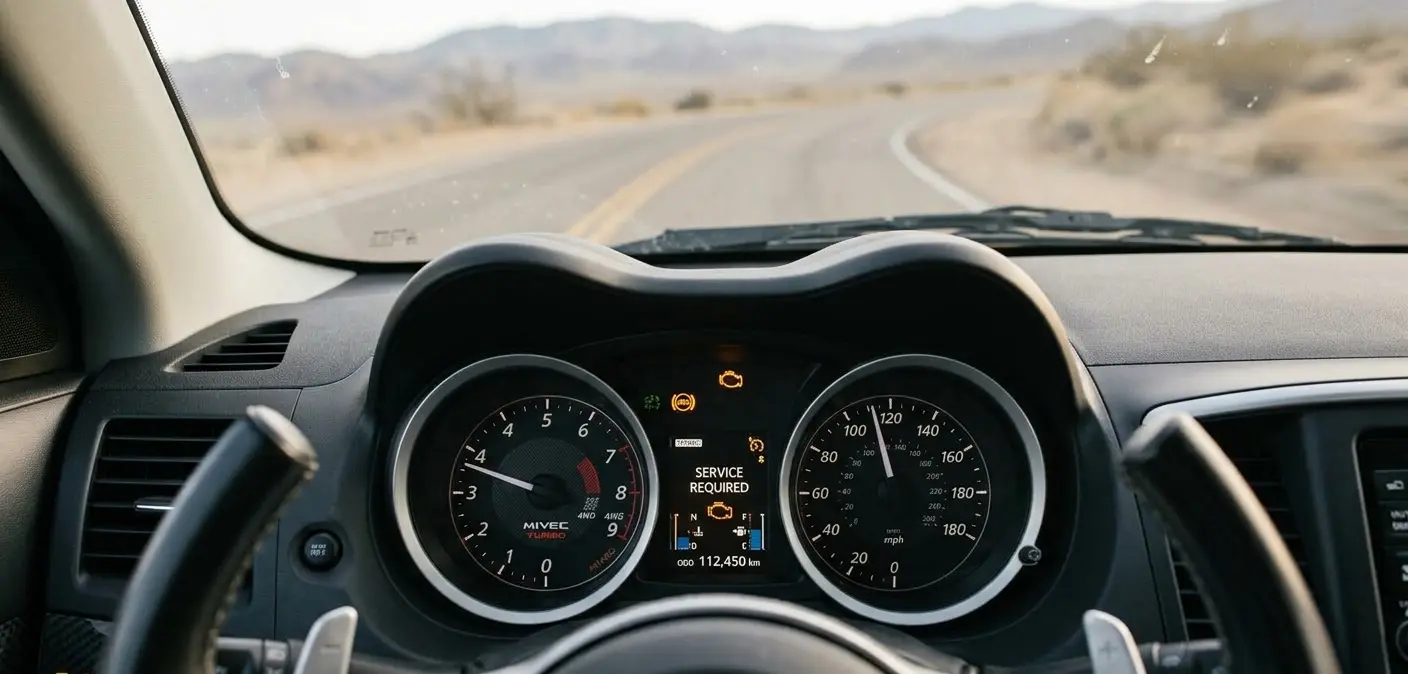
When a dashboard symbol glows, it often means something inside the machine needs attention. Machines today carry tiny monitors that spot trouble while driving happens. A signal like an engine icon lit up hints at worn components needing replacement. Fixing problems early keeps bigger breakdowns away. The moment warnings show, movement toward repair makes sense.
4. Fluid Leaks and Strange Odors
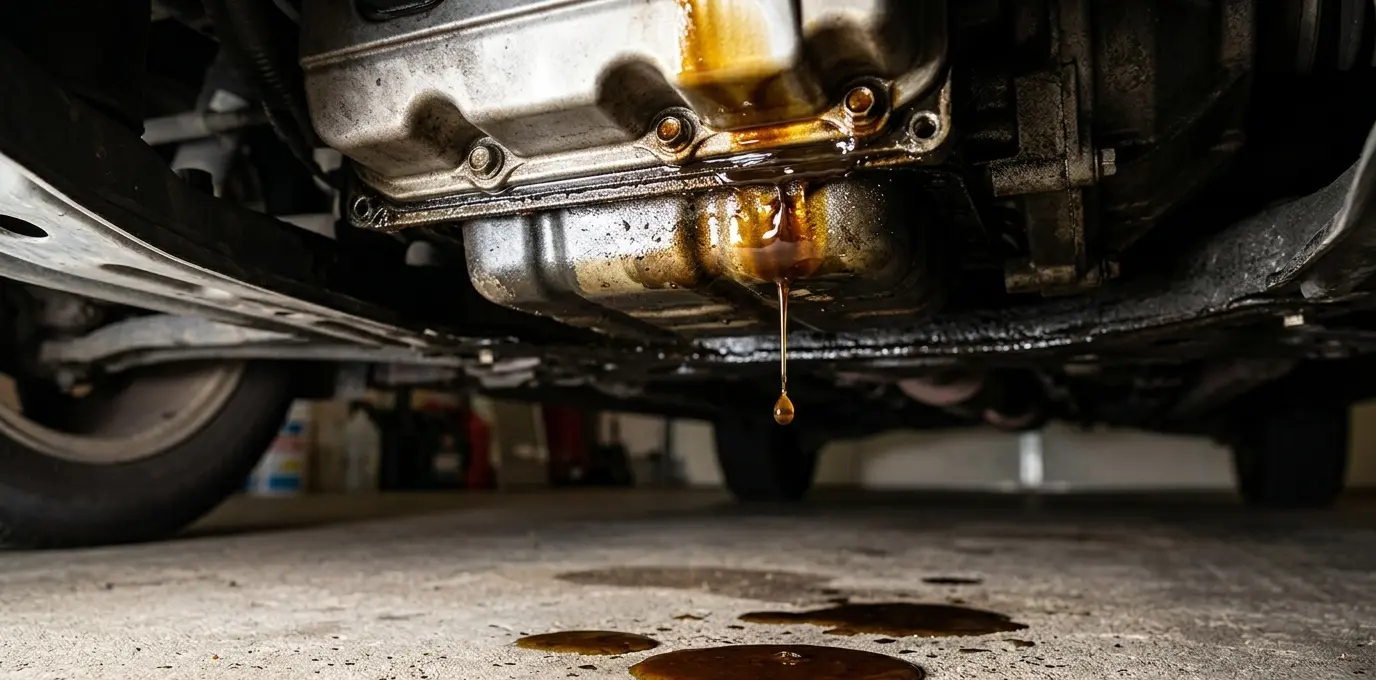
Fluid dripping under your vehicle might mean gaskets, hoses, or seals are failing. Burning odors – like rubber or hot oil – usually show up around the same time. These signs point to parts wearing out. Fixing things early helps prevent harm to the engine. Expensive fixes become less likely when issues get attention sooner.
5. Visible Signs of Use Over Time
Now and then, things show clear warnings. A belt with splits, battery connections eaten by rust, or shaky suspension parts mean something needs changing. Peek under the hood now and again, look underneath too – this way small troubles do not grow worse.
6. Increased Fuel Consumption
A sudden rise in fuel use might mean your Mitsubishi needs attention. When spark plugs wear out, efficiency drops – so do dirty air filters or broken sensors. Small issues add up, pushing you toward repairs sooner than expected.
Replace Old Parts Early
Fewer breakdowns mean fewer surprises on the road. When things work as they should, mishaps happen less often.
Moving fast feels just like it should in your Mitsubishi. Speed stays true without surprises. The way it handles roads does not change at all.
A few fresh parts can keep your car going longer. What wears out gets swapped, making miles add up slower. Tired bits traded in means the machine keeps rolling without skipping a beat.
Fixing small problems early saves money later. A stitch in time keeps bigger costs away. Little fixes now mean fewer big bills down the road. Spotting flaws fast avoids heavy spending. Addressing tiny faults stops wallet-draining surprises. Catching glitches early cuts costly damage. Small attention today prevents pricey trouble tomorrow.
Conclusion
Spotting early hints that your Mitsubishi needs care helps it last longer. When parts show wear, getting them fixed fast makes driving safer. Notice something off? That could mean trouble later if left alone. Checking things often adds peace of mind while on the move. Real manufacturer pieces fit better than others found online or in stores. A smooth drive today comes from choices made yesterday. Small fixes now prevent big bills tomorrow.